Present year
69 CE
A year the empire could not hold still.
Nero was dead. The line that had held the throne was gone. For a year no one could say who governed Rome, because four armies tried. Galba, Otho, Vitellius, Vespasian: those names are later packaging of a succession that broke. The number did not cause the civil war. It selected a year that was already famous.
Does a famous year count as a pattern, or only as a full year caught by a number?
THRONE
Four emperors
After Nero’s death the previous year, four men held the imperial title in a single year. Tacitus later wrote that the secret of empire was out: an emperor could be made outside Rome.
Before
The Julio-Claudian line had ended with Nero in 68. Galba entered 69 already unpopular and unpaid.
Why
Nero’s fall had left no stable succession. Armies discovered they could make emperors. Each faction moved because the last one had not held.
Who
Roman commanders, Praetorian soldiers, German and eastern legions, and the historians who later organized the year into a narrative, especially Tacitus.
Galba · Otho · Vitellius · Vespasian · Tacitus
What
Galba was killed in January. Otho was defeated and died by suicide in April. Vitellius was overthrown in December. Vespasian, proclaimed in the east, became the survivor.
How
Proclamation by troops, payment and betrayal in Rome, and two civil-war campaigns in Italy.
The hinge
The hinge is not a discovery. It is a sequence of four claims to the same office, each destroying the last.
Where, and when
The Palatine, the Forum, the battlefields of northern Italy, and the eastern armies around Vespasian, who was then engaged with the war in Judaea. The year 69 CE, from Galba’s death on 15 January to Vespasian’s recognition in Rome in December.
January to December 69 CE · Rome, the German armies, Egypt, and the eastern provinces
What they knew
Roman elites knew civil war from the late Republic. They did not yet know that Vespasian’s house would stabilize the throne.
What they could not know
They could not know the Flavian building program, the later Jewish War’s end in 70, or that historians would treat 69 as a single named year.
Source object
Tacitus, Histories
A later literary history, not a daybook. It remains the principal surviving narrative of the year.
The object survives.
First record
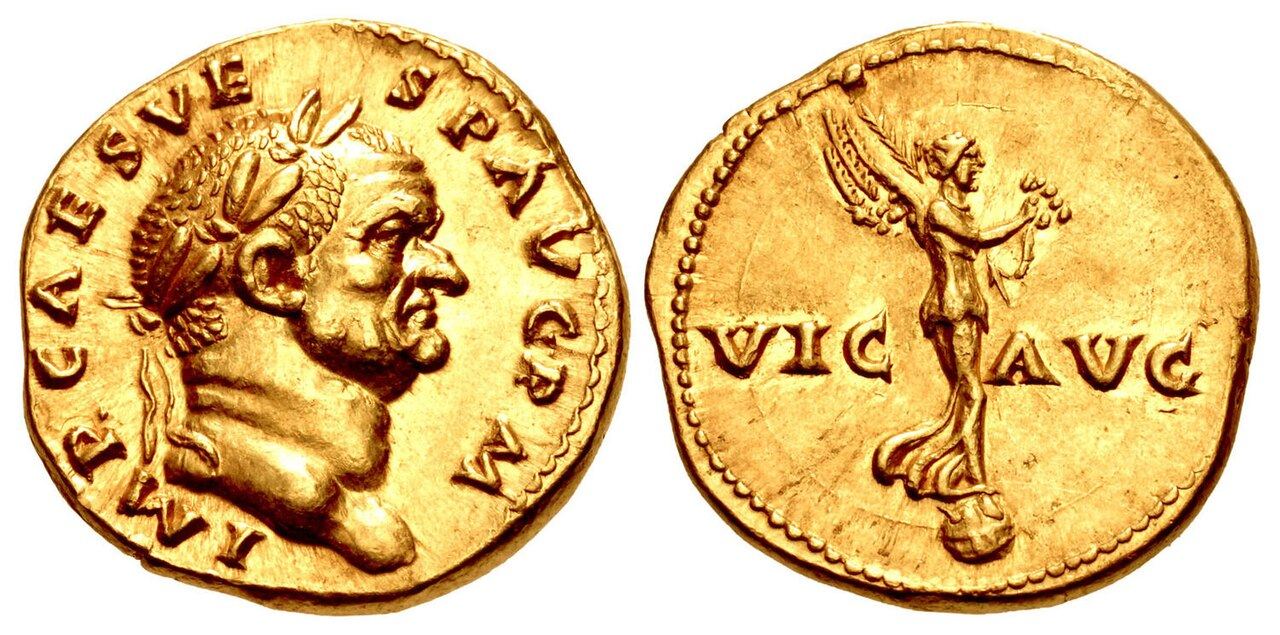
Contemporary records are fragmentary. Coins, inscriptions, and later historians (Tacitus, Suetonius, Cassius Dio, Josephus) carry the year.
After
Vespasian held the throne. In 70 his son Titus took Jerusalem. The Temple was destroyed.
Later retelling
The phrase Year of the Four Emperors packages chaos as a round number. The packaging is later.
Limit
Political density is not evidence that years ending in 69 share a nature.
What it does not prove
It does not prove that 69 as a terminal pair attracts crisis. 68 was already the year Nero died.
Why it entered
69 CE entered this test because it is the first century year the aperture can hold. It is independently famous. It does not resemble 1269.
How we know
- 1. Tacitus. Histories. Narrative of 69 CE, written a generation later.
- 2. Josephus. The Jewish War. Contemporary-adjacent witness to the Judaean war that continues through 70 CE.
Method
independent firsthard
The aperture
The filter finds dense political history. It does not find the later cluster of instruments, maps, light, engines, tables, or networks. That difference is part of the result.
Regions checked
- Europe (Rome)
- Middle East and North Africa (Judaea, Egypt, Syria)
- East Asia (Eastern Han)
- South Asia
- Africa beyond Egypt
- the Americas
- Central Asia
Included / excluded
- Included: Year of the Four Emperors
- Excluded: Siege and destruction of Jerusalem. The siege belongs to 70 CE, the neighboring year. Including it here would steal a neighbor.
68 | 69 | 70
Same century. Same research threshold. Matched frames. Neither pane brighter except that the middle year is the selected aperture.
68
Neighbor
Nero dies. Galba is accepted. The crisis that 69 names begins the year before.
69
Aperture
The filter finds dense political history. It does not find the later cluster of instruments, maps, light, engines, tables, or networks. That difference is part of the result.
70
Neighbor
Titus takes Jerusalem. The Second Temple is destroyed. A neighbor year that is at least as consequential.